If you’re someone who loves food preservation and exploring new culinary techniques, then owning a dehydrator is a must. Dehydrators are incredibly versatile kitchen appliances that offer a range of benefits, from extending the shelf life of food to creating delicious and healthy snacks. In this article, we will dive into the basics of dehydrators, how they work, and why you should consider adding one to your kitchen arsenal.
How Dehydrators Work:
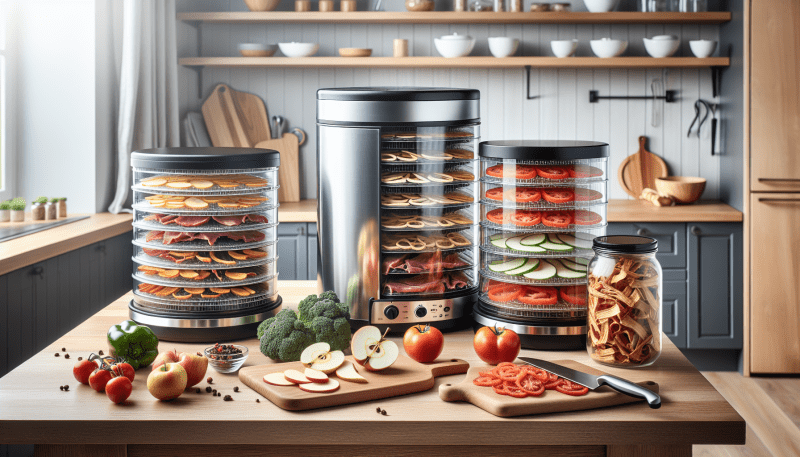
A dehydrator essentially removes the moisture content from fruits, vegetables, meats, and other food items, allowing them to stay fresh for longer periods. The appliance uses a combination of heat and airflow to gradually dehydrate the food, preserving it by inhibiting the growth of bacteria and other microorganisms that cause decay. Most dehydrators consist of a heating element, a fan, and trays or racks for placing the food.
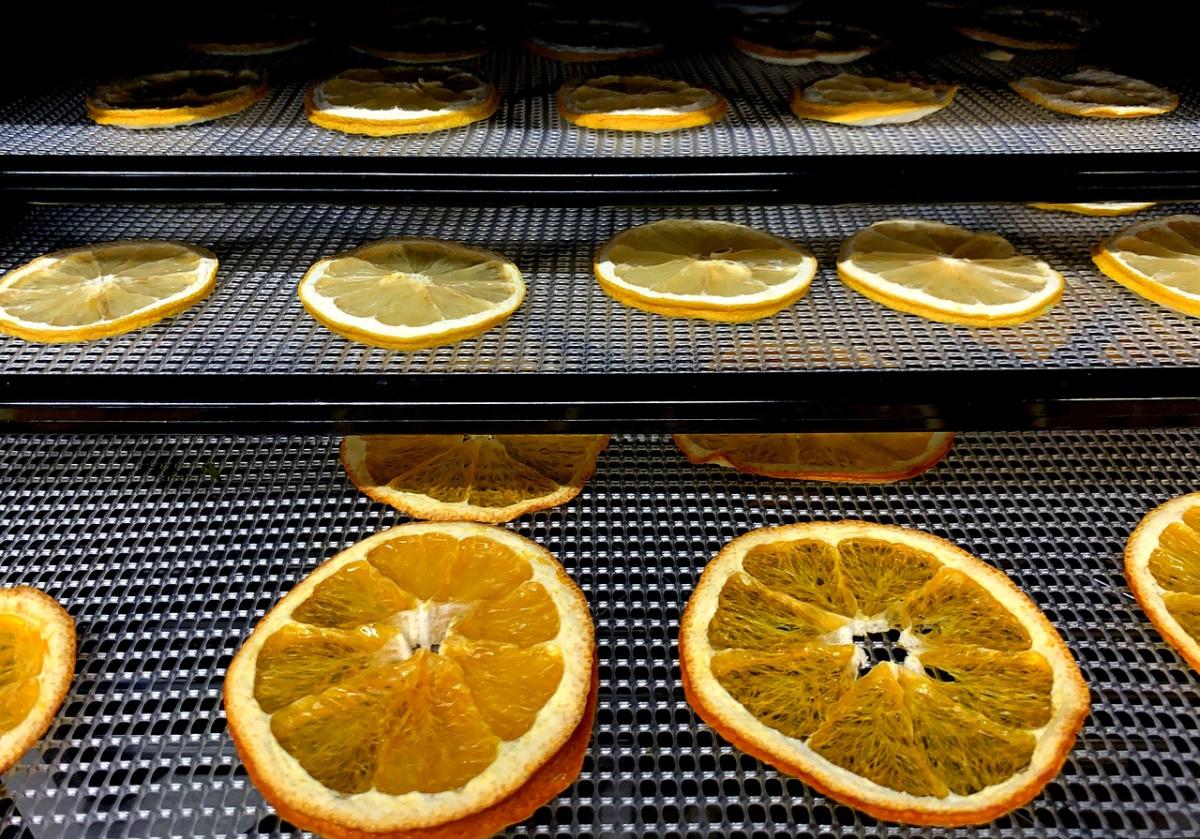
When the dehydrator is turned on, the heating element warms the air inside the unit, raising the temperature. As warm air rises, the fan circulates it throughout the appliance, evenly distributing the heat. The food items are spread out on the trays or racks, allowing the hot air to pass over and around them, gradually evaporating the moisture content. This controlled drying process typically takes several hours to complete, depending on the type and quantity of food.
Why You Need a Dehydrator:
There are numerous reasons why a dehydrator is a fantastic addition to any kitchen. Firstly, dehydrating food significantly extends its shelf life without the need for chemical preservatives. Instead of worrying about food going bad quickly, you can store dehydrated items for months, making it a cost-effective option for reducing food waste. Additionally, homemade dehydrated snacks offer a healthy alternative to store-bought options that are often loaded with preservatives, artificial flavors, and excessive sugars. You have full control over the ingredients used, allowing you to create guilt-free snacks.
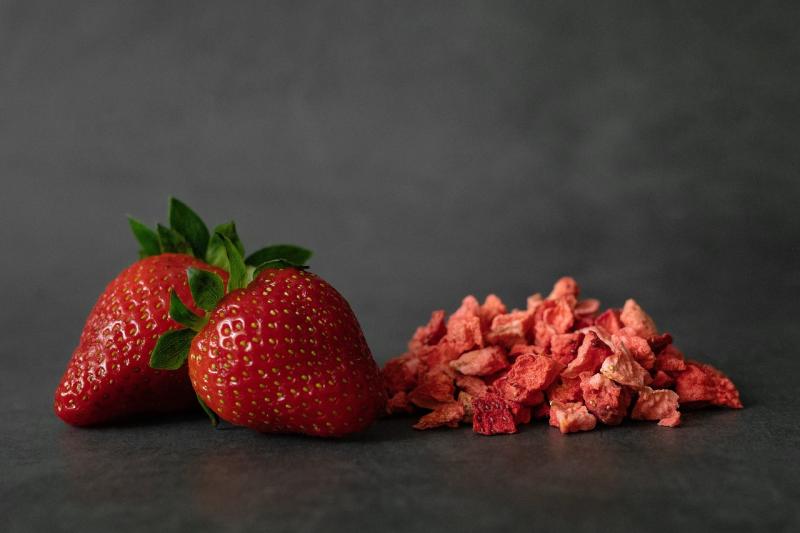
Moreover, dehydrators allow you to experiment and get creative in the kitchen. You can easily make your own dried fruits, such as apple chips or banana slices, for a nutritious and flavorful snack. You can also dehydrate vegetables, herbs, or even make homemade jerky with your favorite marinades and seasonings. The possibilities are endless, and once you start dehydrating, you'll find it hard to imagine your kitchen without this essential appliance.
Choosing the Perfect Dehydrator for Your Kitchen
When it comes to preserving food and creating delicious snacks, a dehydrator is an essential kitchen appliance. With so many options available on the market, it can be overwhelming to find the perfect dehydrator that fits your needs. In this guide, we'll explore the key factors to consider when choosing a dehydrator for your kitchen.
Type of Dehydrator
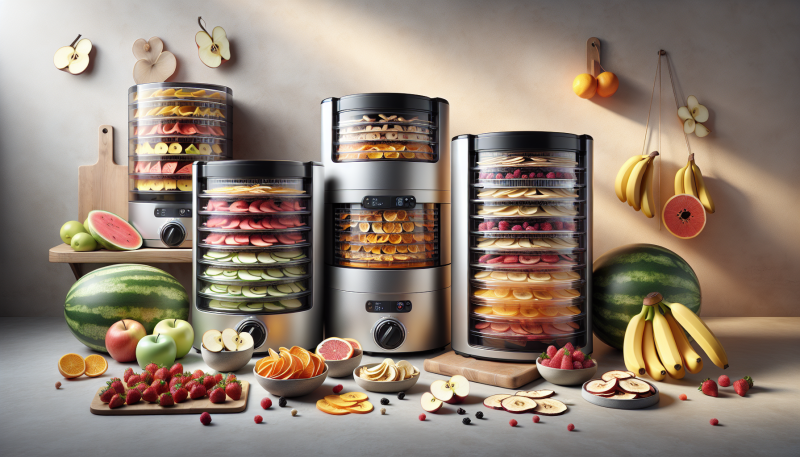
Dehydrators come in various types, including stackable, shelf tray, and box dehydrators. Stackable models are ideal for beginners as they are compact and affordable. Shelf tray dehydrators allow for better air circulation and more even drying, making them perfect for those who want to dehydrate larger quantities of food. Box dehydrators are the most advanced and expensive, offering precise temperature control and large drying capacity.
Drying Space
Consider the amount of drying space you need based on your intended usage. If you plan to preserve a lot of fruits, vegetables, or make jerky frequently, you may want a dehydrator with multiple trays or a larger capacity. Keep in mind that the more space a dehydrator offers, the more energy it will require.
Temperature Control
Temperature control is an essential feature to look for in a dehydrator. Some food items require low temperatures for drying, while others require higher temperatures. Look for a dehydrator that allows you to adjust the temperature according to your specific needs. It's also beneficial to have a dehydrator with a built-in timer for added convenience.
Noise Level and Durability
Consider the noise level of the dehydrator, especially if you have a small kitchen or are sensitive to loud noises. Additionally, look for a dehydrator that is durable and easy to clean. Stainless steel or BPA-free plastic models tend to be more long-lasting and convenient to maintain compared to other materials.
Preserving the Harvest: Dehydrating Fruits and Vegetables
Preservation is an essential aspect of maintaining the freshness and nutritional value of fruits and vegetables. One effective method of preservation is through dehydration. Dehydrating fruits and vegetables not only helps to extend their shelf life but also concentrates their flavors, making them a convenient and nutritious snack.
The process of dehydration involves removing the moisture content from the produce, which inhibits the growth of bacteria, yeast, and mold. By reducing the water content, dehydrated fruits and vegetables become lightweight and compact, making them ideal for storage, camping, hiking, or adding to trail mixes. With the help of a dehydrator, this process can be easily accomplished.
A dehydrator is a kitchen appliance specifically designed to remove moisture from food items while preserving their nutritional properties. It works by circulating warm air around the fruits and vegetables, gradually drying them out. One of the key advantages of using a dehydrator is that it provides consistent heat and airflow, ensuring even drying and eliminating the risk of spoilage.
When using a dehydrator, it is important to slice the fruits and vegetables into even thicknesses to ensure uniform drying. Different foods require different drying temperatures and durations, so it is crucial to follow guidelines and recipes specific to each item. Once dried, it is crucial to store dehydrated fruits and vegetables in airtight containers away from light, heat, and moisture to maintain their quality and longevity.
Beyond Jerky: Exploring Creative Dehydrator Recipes
Dehydrators are not just limited to making jerky. They offer a wide range of possibilities when it comes to healthier snacking and preserving foods. Here, we dive into some creative dehydrator recipes that will surely elevate your culinary game.
1. Fruit Leather: Move over, store-bought fruit roll-ups! With a dehydrator, you can easily make your own delicious and nutritious fruit leather at home. Simply blend your favorite fruits, spread the mixture onto a dehydrator tray, and let it dry until it becomes a chewy and flavorful snack. You can experiment with different fruit combinations like strawberry-banana or mango-pineapple for a burst of natural sweetness.
2. Vegetable Chips: Say goodbye to greasy potato chips and hello to crispy and healthy vegetable chips. Using a mandoline slicer or a sharp knife, thinly slice vegetables like sweet potatoes, kale, or beets. Toss them with a little olive oil, sea salt, and your preferred seasonings, then arrange them on the dehydrator trays. In a few hours, you'll have crunchy chips that are packed with vitamins and minerals.
3. Herb-Rubbed Beef Jerky: While traditional jerky is undeniably delicious, adding an herb-rub can take it to a whole new level. Marinate thin slices of beef in a mixture of soy sauce, Worcestershire sauce, garlic powder, and your favorite dried herbs. Let the flavors infuse for a few hours, then arrange the beef slices on the dehydrator trays. After several hours of drying, you'll have tender and savory beef jerky with an extra kick of herbal goodness.